
Key Takeaways
- Decoding Prematurity: An Overview examines the global impact of premature births and how advances in neonatal care have improved survival rates.
- Caregivers should recognize preterm labor signs, investigate potential causes, implement preventative strategies through prenatal care, and make lifestyle adjustments for a healthy pregnancy.
- Preterm babies require specialized medical interventions to ensure long-term health outcomes and can bring emotional challenges that need resilience and support from families and society worldwide.
Decoding Prematurity: An Overview
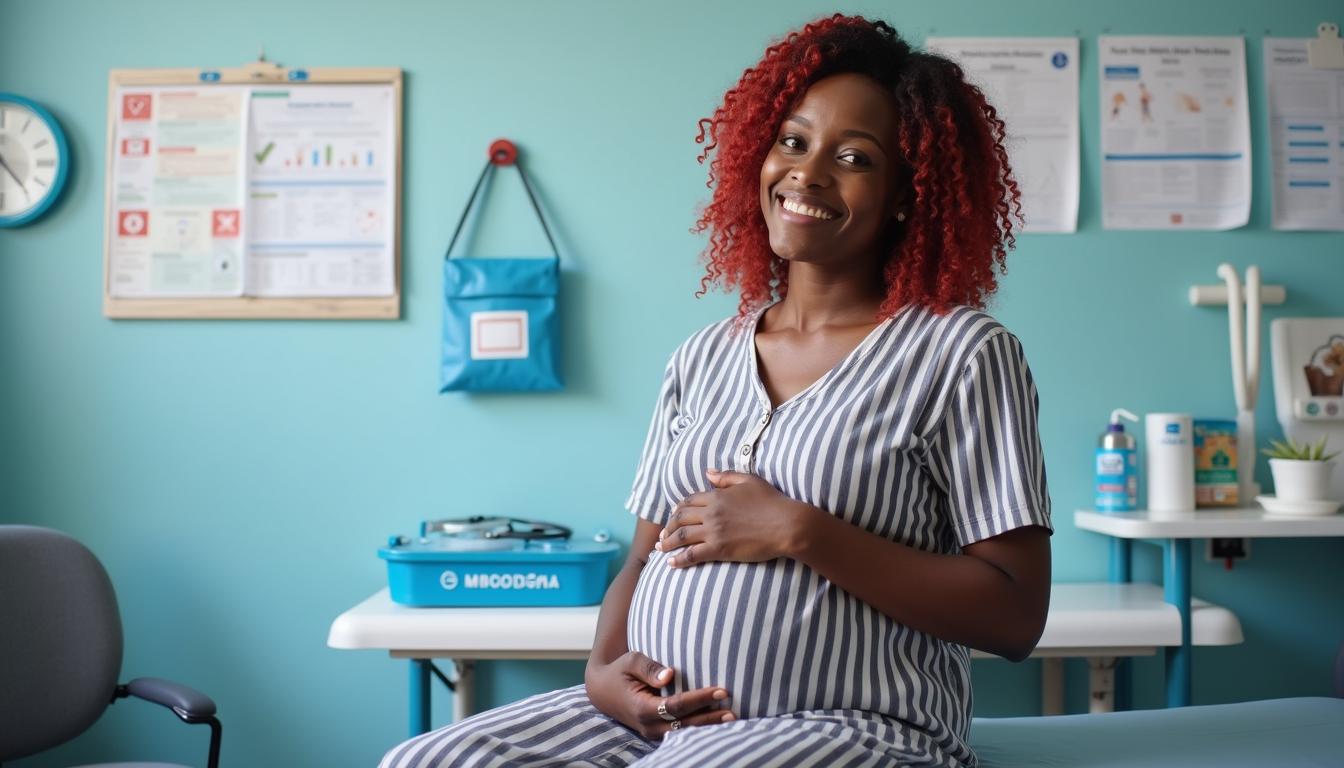
Prematurity refers to births occurring before the 37th week of gestation. This widespread phenomenon, often determined by gestational age, affects millions of babies across the globe, analogous to a clock skipping a few ticks, precipitating an early arrival fraught with potential complications and health risks.
Globally, premature births are the primary cause of mortality in children younger than five, accounting for an estimated 13.4 million babies born preterm in 2020, according to the World Health Organization (WHO). That’s a staggering number, equivalent to the population of a small country being born too soon every year. In Africa, just 1 in 10 of those premature babies will survive, compared to 9 out of 10 in high-income countries—a testament to the advances in neonatal care. Yet, the journey doesn’t end there. Preterm infants, particularly those born extremely preterm (before 28 weeks of gestation), face a higher risk of developing chronic lung disease and other health conditions.
Premature infants are more susceptible to a range of complications, such as cerebral palsy, developmental delays, and hearing and visual impairments. The likelihood of complications increases as birth weight decreases. Therefore, the journey of a premature baby is often marked by various medical hurdles, each one a stepping stone towards the ultimate goal: a healthy life.
The Onset of Preterm Labor: Recognizing the Signs

Expectant mothers and their caregivers need to adopt a detective’s mindset, deciphering subtle signs that suggest a possible early arrival. These indicators can signal a shift from a routine pregnancy towards potential preterm labor.
Understanding Contractions
Contractions, the tightening and releasing of uterine muscles, compose a metaphorical symphony building up to the grand culmination of childbirth. However, in preterm labor, this symphony begins prematurely, typically at a higher frequency and intensity than in full-term labor.
Numerous things, including dehydration and constipation, can trigger contractions, such as the stretching of ligaments around the uterus. Yet, not all contractions indicate true labor. Some, known as false labor or Braxton Hicks contractions, are like a rehearsal, preparing the body for the main event but not signifying its onset.
Recognizing contractions involves being attentive to subtle changes in the body. Symptoms such as:
- a cramping or tightening sensation in the abdomen
- an increase in Braxton Hicks contractions
- menstrual-like cramps
- pelvic pressure
could be the body’s way of signaling the onset of contractions. It’s like the body is whispering its secrets, and it’s up to the expectant mother to listen closely and interpret these signs.
Spotting Other Symptoms
Other symptoms, like pieces of a puzzle, complete the picture of preterm labor, including:
- Contractions
- Vaginal bleeding
- Watery discharge
- Lower back pain
A typical vaginal discharge during pregnancy is clear to milky white and thin. But when the discharge becomes straw-colored and watery, much like pale urine, it might suggest preterm labor. This change should be noted and indicates a possible imminent delivery.
Preterm labor can also be accompanied by lower back pain. Like an unwelcome guest, this pain can appear as regular tightening or a low, dull ache in the back. It can also intensify during contractions, adding another layer of discomfort to an already challenging situation. Together with vaginal bleeding and watery discharge, lower back pain completes the triad of symptoms that may indicate preterm labor.
Investigating the Causes Behind Preterm Births
Understanding the factors leading to preterm births resembles piecing together a jigsaw puzzle. The pieces represent disparate elements like maternal health, genetic contributors, and environmental factors, each playing a significant role in the broader context of prematurity.
The Role of Maternal Health
Maternal health is like the foundation of a building. Any issues can destabilize the entire structure and increase the risk of preterm birth. Conditions such as diabetes and hypertension are like cracks in this foundation, potentially leading to an early delivery.
For instance, maternal diabetes is a significant risk factor, akin to a ticking time bomb. As it escalates in severity, it can lead to preeclampsia, a type of pregnancy-induced hypertension. Like a chain reaction, preeclampsia then increases the likelihood of preterm birth, demonstrating the intricate interplay of health conditions in pregnancy.
Hypertension, also known as high blood pressure, in pregnancy, particularly conditions like pre-eclampsia, is another red flag, much like a storm warning. In the face of this storm, the risk of delivering a preterm baby increases, emphasizing the critical role of maternal health in the journey of prematurity.
Environmental and Lifestyle Impacts
Just as the environment can shape a river’s course, it can also influence the journey of pregnancy. Factors such as smoking, drug use, and stress can divert the flow toward preterm birth.
Smoking, for instance, is associated with placental abruption, contributing to about 15% of preterm births and 20–30% of extremely low-birth-weight infants. It’s like a dark cloud, casting a shadow over an otherwise healthy pregnancy and increasing the likelihood of an early delivery.
Similarly, maternal marijuana use can increase the risk of neonatal morbidity, including infection and neurological complications. Together, these environmental and lifestyle factors shape the course of pregnancy, emphasizing the importance of healthy choices to navigate toward a full-term delivery.
Navigating Risk Factors and Prevention Strategies
Preventing preterm birth can be compared to navigating a ship through tumultuous waters, with risk factors representing stormy waves and prevention strategies acting as navigational tools guiding toward the safe harbor of a full-term pregnancy.


The Importance of Prenatal Care
Prenatal care is like the compass guiding this journey, providing crucial insights into the health of the mother and the developing baby. Regular check-ups, monitoring for potential complications, and addressing health concerns can significantly reduce the risk of preterm birth, ensuring that the ship stays on course.
Prenatal care encompasses a wide array of practices, much like the many instruments on a ship’s deck. Some of these practices include:
- Physical examinations
- Weight assessments
- Urine analyses
- Blood pressure supervision
- Fetal heart rate monitoring
- Patient education and counseling
Each of these practices plays a vital role in maintaining the health and well-being of the mother and the baby. The recommended prenatal appointments vary at different stages of pregnancy. Regular visits allow for close monitoring of the pregnancy and ensure that any potential problems are identified and addressed early.
Lifestyle Adjustments for a Healthy Pregnancy
Sailing smoothly towards a full-term pregnancy also requires certain lifestyle adjustments. Like changing the sails to harness the wind better, these changes, including nutrition, exercise, and stress management, can significantly influence the course of pregnancy.
Nutrition is crucial for a healthy pregnancy. It’s not just about eating more but eating right. Along with a balanced diet, certain nutrients, such as calcium, are especially important for pregnant women. It’s like stocking the ship with the right supplies, ensuring a smooth and healthy journey.
Exercise and stress management techniques keep everything in top shape. Regular physical activity can mitigate the risk of complications and preterm births, while stress management techniques, like yoga and mindfulness, can lower the risk of preterm birth by fostering appropriate coping behaviors and decreasing stress levels in pregnant women. In addition, moderate exercise has a regulating effect on blood pressure and can help to ensure a healthy pregnancy.
Interventions and Treatments for Preterm Birth
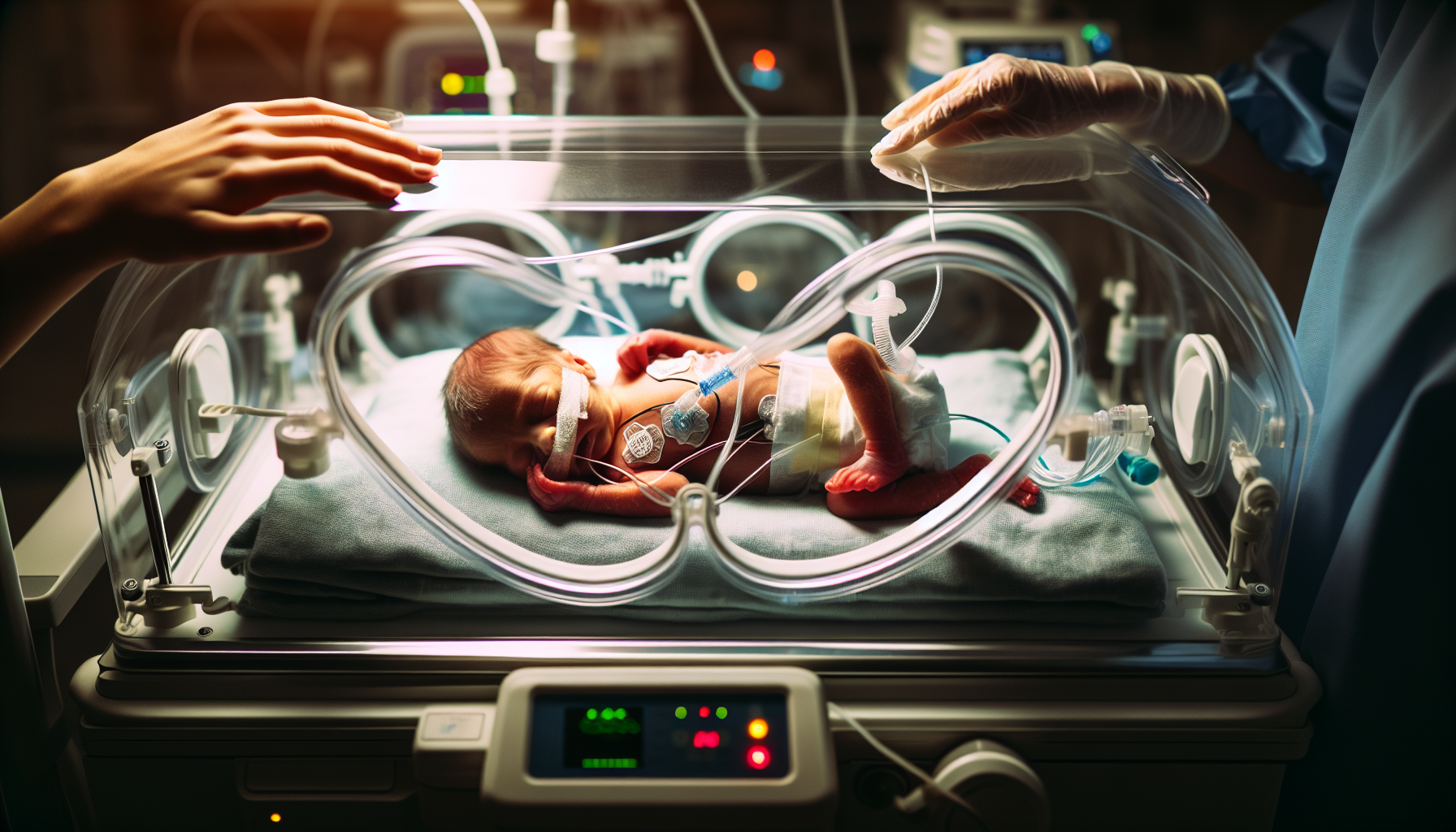
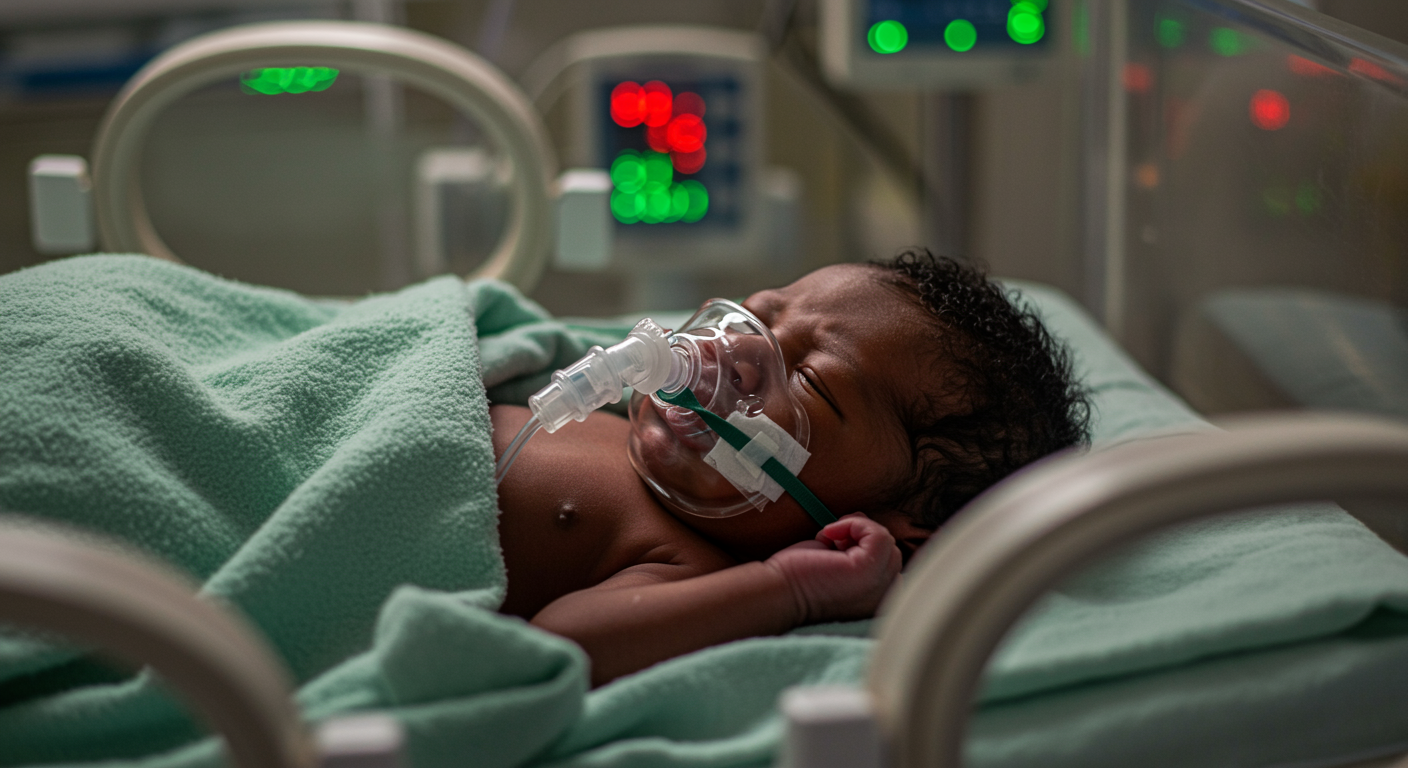
When confronted with preterm labor, medical interventions and treatments act as life-saving measures, providing a lifeline for both the mother and the baby. These interventions should be considered. They can improve the outcome for premature babies.
Medications to Delay Delivery
Medications to delay delivery act like anchors, holding back the tide of preterm labor and allowing more time for the baby’s development. These medications, while not always able to prevent preterm birth entirely, can often delay it, providing precious time for the administration of steroids for fetal lung maturation and other vital interventions.
However, these medications are not without their risks. Potential adverse effects or risks may encompass:
- Dyspnea (shortness of breath)
- Hypotension (low blood pressure)
- Hypoxia (reduced supply of oxygen)
- Nausea
- Tachycardia (heart beats too fast)
- Headache
It’s a delicate balance where every decision counts.
Steroids and Respiratory Support
In the fight against preterm birth, steroids, and respiratory support act as vital lifelines.
Corticosteroids administered to a pregnant woman at risk of preterm delivery can reduce neonatal organ immaturity. Furthermore, respiratory support for babies born before 32 weeks may involve Continuous Positive Airway Pressure (CPAP) and the use of High Flow Nasal Cannulae (HFNC), as well as Nasal Intermittent Positive Pressure Ventilation (NIPPV) in the neonatal intensive care unit.
Yet, these interventions are not a one-size-fits-all solution. Tertiary measures are aimed at women who are about to give birth prematurely, whose waters have broken, or who are bleeding prematurely, including delaying labor and administering antibiotics to reduce the risk of infection. A specialized team is therefore ideally prepared for the particular challenges of premature births.
Specialized Care for Preterm Infants
Caring for a preterm infant requires the same gentle handling, specialized knowledge, and unwavering dedication needed when nurturing a delicate blossom. Whether it’s addressing their unique nutritional needs or managing their temperature and environment, each aspect of care is pivotal for their growth and development.
Addressing Nutritional Needs
Preterm infants have specific nutritional needs, akin to a delicate plant requiring a special blend of nutrients to thrive. Their nutritional needs, including a higher calorie requirement—up to 40% more than full-term babies—and adequate protein intake, are essential to support their growth and nutrient accretion.
Apart from calories and protein, preterm infants require specific nutrients such as calcium and amino acids. These nutrients play a vital role in their overall growth and development.
However, feeding preterm infants is not without its challenges. They often face a range of feeding difficulties, including delays in the development of oral feeding skills and challenges in handling different food textures.
Yet, with patience and perseverance, these challenges can be overcome, ensuring that these tiny blossoms flourish.
Managing Temperature and Environment
Preterm infants require a specific environment for their survival and growth. This includes maintaining their body temperature within a specific range and providing a controlled environment that keeps them safe and warm.
Incubators play a crucial role in this regard, acting like little greenhouses for the newborn. They provide a controlled environment that keeps the baby’s body temperature within a specific range, protecting them from hypothermia and other environmental risks. Incubators are a protective shell, safeguarding the baby from the harsh outside world.
Apart from temperature, other environmental factors also need careful management. This includes using humidified air and closely monitoring fluid and electrolyte levels due to heightened transdermal water loss and immature systems. It is essential to monitor the humidity levels and adjust them as needed to ensure that premature babies are within safe and effective ranges.
Long-Term Health Considerations for Preterm Babies
The journey of a preterm baby extends beyond surviving the initial weeks and months, including long-term health considerations. Similar to a voyage that continues post-destination, the path of preterm babies often demands continuous care and vigilance well into their childhood and beyond.
Neurodevelopmental Follow-Up
The neurodevelopmental progress of preterm infants provides crucial insights into their ongoing growth and development. Regular monitoring and support can help identify and address any potential cognitive, motor, or sensory delays, ensuring that these infants stay on course.
Neurodevelopmental delays in preterm infants encompass neurodevelopmental impairment, delayed language development, and a heightened susceptibility to cerebral palsy.
The initial indicators of neurodevelopmental issues in preterm infants, such as behavioral problems and motor and sensory abnormalities, alert healthcare providers to potential issues. Regular follow-ups are recommended to ensure that these issues are identified and addressed early.
The Impact on Family Dynamics
The birth of a preterm baby can have a significant impact on family dynamics. The emotional and practical challenges faced by families can disrupt the family’s routine, adding another layer of complexity to the journey of prematurity.
Families with premature babies may encounter a variety of emotional difficulties, including feelings of:
- helplessness
- sadness
- guilt
- anxiety
- trauma associated with the birth experience
The hospitalization of a preterm baby can also lead to changes in daily routines, roles, and occupations, such as work and activities of daily living. The impact of preterm birth on parents and families can be long-lasting. However, involving partners and siblings in the care of the preterm baby, providing emotional support, and recognizing the crucial role of families in the care of preterm babies can help alleviate the impact of preterm birth on family dynamics.
Caring for a preterm baby can also present practical challenges, like disruptions in daily schedules, financial obstacles, and the need for emotional and psychological support. It’s like sailing a ship in unfamiliar waters, where each day brings new challenges and learnings. Yet, with the right support and resources, these families can overcome these challenges and provide the best care for their little ones.
Global and Economic Perspectives on Prematurity
Prematurity extends beyond a personal or medical concern to become a global and economic issue. Similar to a wave influencing the entire ocean, it leaves its mark on societies and economies worldwide, underscoring the necessity for unified action and support.
Disparities in Premature Birth Rates
Premature birth rates vary across different countries and populations. These disparities highlight the need for targeted interventions and support to ensure that every baby, no matter where they are born, has the best chance at a healthy life.
Southern Asia and sub-Saharan Africa have the highest rates of preterm births globally.
Disparities also exist among different racial and ethnic groups within countries. For example, African-American women have higher rates of preterm birth compared to other racial and ethnic groups. These disparities underscore the complex interplay of social, economic, and health factors that contribute to prematurity.
The Cost of Prematurity
The economic burden of prematurity is significant. It includes not just the direct medical costs but also long-term expenses related to ongoing care and support. The cost includes both medical expenses and societal costs, such as lost household and labor market productivity. A recent study conducted in Rwanda, Africa, found that the estimated average cost per premature baby was $6,801 during the initial hospitalization. The cost of oxygen, which is an influential driver of medical direct costs, represented 38.4% of the total medical direct cost. The sources emphasize the need for universal health coverage and high-quality care to improve the survival rates of preterm babies in Africa.
Furthermore, the treatment of complications of prematurity involves specific expenses. For instance, the average cost per patient with respiratory distress syndrome (RDS) is higher compared to the costs of treating other neonatal conditions. A US American study reported an average cost of hospitalization for RDS of $55,000, compared to $3,200 for all newborns in 2011.
The cost of prematurity is a significant economic burden, underscoring the need for effective prevention strategies and support systems.
Summary
As our journey through the world of prematurity comes to an end, it’s clear that this complex issue requires a multifaceted approach. From understanding the signs of preterm labor to exploring the underlying causes, from navigating risk factors and prevention strategies to providing specialized care and considering long-term health outcomes, every aspect plays a vital role in managing prematurity.
While the journey may be fraught with challenges, the goal remains clear: ensuring the best possible outcomes for preterm infants and their families. Through targeted interventions, specialized care, ongoing support, and a deeper understanding of the complexities of prematurity, we can make a difference in the lives of these tiny preemies and their families.
Prematurity tests our resolve, resilience, and resourcefulness. Yet, we emerge stronger, more knowledgeable, and better equipped to ensure that every baby, regardless of when they start their journey, has the best possible chance at a healthy life.