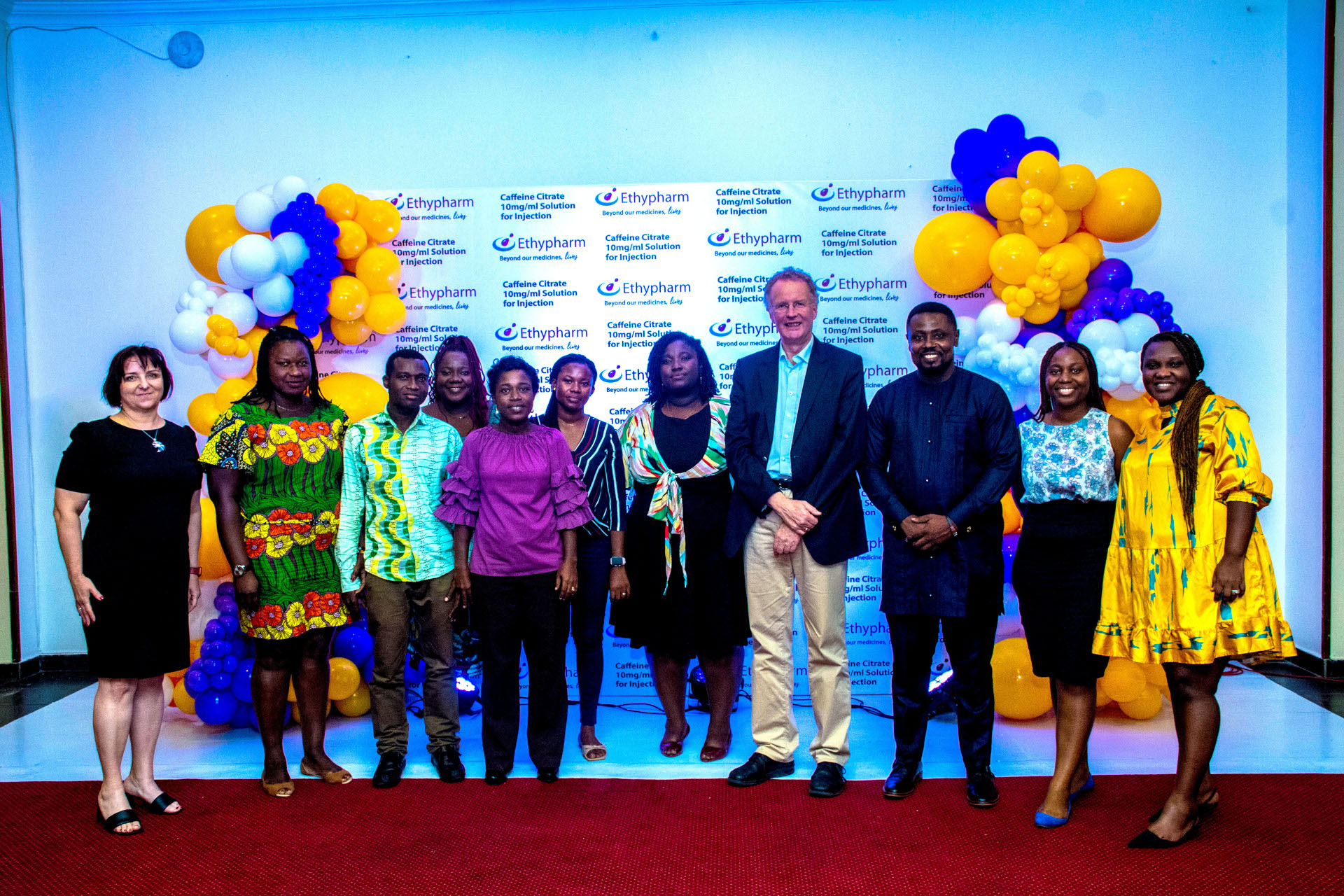
The Ministry of Health in Kenya has made a significant stride in reducing preterm deaths by securing a generous donation from Ethypharm. The donation includes a substantial amount of caffeine citrate, a life-saving drug for preterm babies, which has seen its price drop from Ksh 1.500 to Ksh 400 per ampoule. This reduction in price, coupled with the donation of 30.000 ampules, 20.000 from the Clinton Health Initiative (CHAI) and 10.000 from Ethypharm, is set to enhance access to this critical medication. Additionally, essential equipment such as syringe pumps and pulse oximeters were included in the donation, further bolstering neonatal care in the country. This contribution aimed to strengthen neonatal care and improve the survival chances of preterm babies, addressing the pressing need for collective efforts to combat complications of prematurity. Complications of prematurity account for a third of all neonatal deaths in Kenya, and the country’s neonatal mortality rate stands at 21 deaths per 1,000 live births. The Ministry of Health in Kenya has been making efforts to enhance the survival chances of preterm babies, as most neonatal deaths (75%) occur during the first week of life.
Health Cabinet Secretary Susan Nakhumicha emphasized the government’s commitment to reducing the neonatal mortality rate, which currently stands at 21 deaths per 1.000 live births. Dr. Rueben Kiptoo Sigey, the Regional Manager for Northern Sub-Saharan Africa at Ethypharm, highlighted the importance of evidence-based, cost-effective, and low-technology therapeutics like caffeine citrate in local healthcare settings. The successful negotiation for the reduced price and donation is expected to have a substantial impact on the management of Apnoea of Prematurity and the overall effort to lower the burden of preterm deaths in Kenya.
The donation is particularly crucial as preterm birth is the leading cause of death among children under five years old. By addressing neonatal deaths, which account for about half of all under-five deaths, the initiative is poised to make a significant contribution to reducing child mortality in the country. The donation is also set to facilitate the implementation of World Health Organization (WHO) recommendations for the use of caffeine citrate in the treatment of neonates and premature babies, ultimately improving the chances of survival for these vulnerable infants.
The partnership between the Ministry of Health, CHAI, and Ethypharm, as well as the involvement of local distributor Laborex Kenya, underscores the collaborative effort and shared commitment to enhancing access to life-saving medications and improving neonatal care in Kenya. This development represents a substantial step forward in the fight against preterm deaths and underlines the importance of public and private sector collaboration in addressing critical healthcare challenges.