
Table of Contents
Apnea of prematurity is a common yet potentially alarming condition encountered by parents of preterm infants. While it’s natural to worry, it’s essential to understand that this condition is a result of the infant’s immature respiratory system and is typically outgrown as the baby matures. We aim to demystify the apnea of prematurity, providing a comprehensive look at its causes, diagnosis, treatment, and long-term outcomes.
Key Takeaways
- Apnea of prematurity is a common condition in preterm infants, characterized by pauses in breathing that usually resolve as the infant matures. It is categorized as central, obstructive, or mixed apnea and is often triggered by underdevelopment of the central nervous system or airway obstruction.
- Therapeutic interventions for apnea in preterm infants include non-invasive methods like continuous positive airway pressure (CPAP), medications such as caffeine citrate and aminophylline, and supportive measures like proper positioning and gentle skin stimulation. These treatments are subject to certain risks and require continual monitoring.
- Apnea of prematurity can lead to serious complications and potentially impact neurodevelopmental outcomes, so preventative strategies focus on improving maternal health and utilizing insights from controlled clinical trials to assess the safety and effectiveness of new treatments.
Unraveling the Basics of Apnea of Prematurity
Apnea of prematurity, a fairly common condition in preterm infants, is marked by pauses in breathing due to an underdeveloped respiratory system. There are three types:
- Central apnea: due to the underdevelopment of the central nervous system’s respiratory drive, which controls the muscles of respiration.
- Obstructive apnea occurs when there’s a blockage in the airway.
- Mixed apnea is a combination of both.
Central apnea in prematurity is a common phenomenon, with about 40% of apneic episodes being central apneas and 10% being obstructive apneas. Central apnea is the most common type of apnea of prematurity, caused by the immaturity of the medullary respiratory control centers. Inhibitory events such as hypoxia, hyperthermia, and adenosine secretion can affect the central respiratory generator, thereby triggering apnea of prematurity. These factors have the potential to disrupt the normal breathing pattern and lead to periods of temporary breath cessation. The central respiratory generator is significant because it plays a crucial role in regulating respiration and is associated with increased apnea in preterm infants with bilirubin-encephalopathy. These inhibitory events can disrupt the normal breathing pattern and lead to periods of temporary breath cessation. For example:
- Hypoxia: A lack of oxygen in the blood can cause the central respiratory generator to initiate apnea.
- Hyperthermia: Elevated body temperature can also trigger apnea as the body attempts to conserve energy and reduce heat production.
- Adenosine secretion: Adenosine, a neurotransmitter that plays a role in respiratory regulation, can cause respiratory depression when present in high concentrations.
Infants born before the 37th week of gestation often exhibit apnea of prematurity, which results from immature respiratory control and can manifest as central, obstructive, or mixed apnea. This condition typically resolves on its own as the infant matures, often within a few weeks.
The Clinical Presentation of Apnea of Prematurity
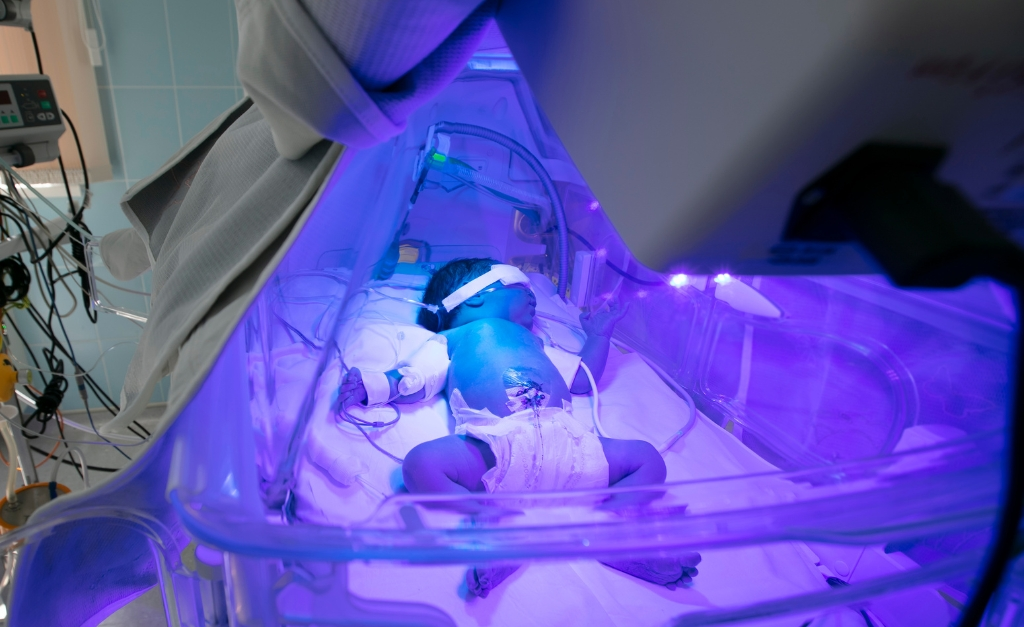
In preterm neonates, apnea presents itself as periods of ceased breathing or a decreased heart rate. Irregularities typically emerge within the first two days of life and may persist for up to two to three months. The episodes, which include erratic breathing patterns, bradycardia, and oxygen desaturation, predominantly occur during active or REM sleep and can happen once daily or multiple times. By the time of hospital discharge, approximately 91% of preterm neonates experience apnea episodes lasting longer than 12 seconds. This highlights the prevalence of this issue among preterm babies.
Distinguishing between apnea of prematurity and periodic breathing, another condition found in neonates, is essential. Periodic breathing is characterized by brief pauses in breathing followed by rapid and shallow breaths. Unlike apnea, it doesn’t induce changes in facial color or heart rate, and infants usually return to normal breathing without intervention.
Apnea of prematurity, a common issue in premature infants, can be attributed to various factors, including:
- Reduced activity of respiratory reflexes: Premature infants may have underdeveloped respiratory reflexes, leading to a higher incidence of apnea.
- Increased activity of the Hering-Breuer reflex: This reflex, which restricts lung inflation, may be more active in premature infants, contributing to apnea episodes.
- Impaired ability of medullary chemoreceptors to detect elevated CO2 levels: The medullary chemoreceptors, responsible for detecting high carbon dioxide levels, may not function optimally in premature infants, leading to breathing irregularities.
- Neuronal immaturity: The overall immaturity of the respiratory control center in the brainstem can also contribute to apnea in premature infants
Identifying Risk Factors for Apnea in Infants with Low Birth Weight
Gaining insight into the risk factors for apnea in infants with low birth weight aids in improving the management of the condition. Prematurity significantly influences the risk of apnea in these infants. The incidence of apnea is inversely correlated with gestational age, suggesting that infants with lower gestational ages are at a higher risk of experiencing apnea.
Other underlying medical conditions, such as neonatal infections and birth asphyxia, can also contribute to the risk of apnea. Birth asphyxia is a medical condition that occurs when a baby’s brain and other organs do not receive enough oxygen and nutrients before, during, or immediately after birth. The lack of oxygen can cause damage to the baby’s brain and other organs, leading to long-term health problems such as cerebral palsy, developmental delays, and intellectual disabilities. Neonatal infections can lead to symptoms associated with central and obstructive apnea. Birth asphyxia, on the other hand, is particularly significant in babies born before 34 weeks gestation. Asphyxial occurrences like protracted or difficult deliveries, issues with the placenta or umbilical cord, or maternal health conditions can exacerbate the problem. Therefore, healthcare providers must monitor these risk factors closely in infants with low birth weight to prevent and manage apnea effectively.
Diagnostic Approaches to Apnea of Prematurity
In the diagnosis of apnea of prematurity, healthcare providers keep a check on vital signs like heart rate, respiratory effort, and blood pressure. A cardiorespiratory monitor is employed to detect apnea episodes and evaluate the baby’s condition, including any signs of respiratory depression. Additionally, cerebral blood flow velocity can be monitored to ensure proper brain function during these episodes.
The condition is typically diagnosed before the mother and baby are discharged from the hospital, and it often resolves spontaneously as the premature newborns mature. To further confirm the diagnosis, physicians might conduct additional examinations such as a fiberoptic examination of the larynx through the nose while the infant is breathing spontaneously, a direct laryngoscopy, and a bronchoscopy.
During the diagnosis of apnea of prematurity, it is also vital to eliminate the possibility of conditions like cardiac dysrhythmias. Cardiac dysrhythmias are abnormal heart rhythms that can occur when the electrical impulses that regulate the heartbeat are disrupted, as well as Long QT syndrome, which is an inherited heart condition that affects the electrical activity of the heart. Also, severe bacterial or fungal infections, as well as sudden infant death syndrome, have to be excluded. This comprehensive diagnostic approach ensures that the condition is treated promptly and effectively.
Therapeutic Interventions for Apnea of Prematurity

There are several therapeutic interventions available for the treatment of apnea in prematurity. These include continuous positive airway pressure (CPAP), medications and respiratory stimulants, and supportive measures such as skin stimulation and proper positioning.
Let’s further examine each of these interventions.
Continuous Positive Airway Pressure (CPAP)
CPAP is a non-invasive method of ventilatory assistance that enhances the openness of the upper airway, thus effectively addressing the apnea of prematurity. Administered through nasal prongs or a mask placed over the infant’s nose, CPAP helps preserve airway patency and enhance oxygenation in premature infants with apnea.
Preterm infants generally undergo CPAP therapy for an average period ranging from 7.6 to 11.2 days, depending on their specific requirements and the effectiveness of the treatment. While generally safe, CPAP has potential hazards that should be discussed with a healthcare professional.
Close monitoring of breathing, oxygen saturation levels, and respiratory rate is essential when applying CPAP to preterm infants. Studies have demonstrated its effectiveness in reducing respiratory failure and the necessity for mechanical ventilation, as well as lowering the occurrence of bronchopulmonary dysplasia. Bronchopulmonary dysplasia is a form of chronic lung disease that primarily affects newborns, particularly those who are born prematurely and require oxygen therapy. It is characterized by damage to the lungs and airways, leading to tissue destruction in the tiny air sacs of the lungs in this population.
Medications and Respiratory Stimulants
Medications such as caffeine citrate and aminophylline are commonly used for the treatment of apnea of prematurity in preterm infants. Caffeine citrate is the preferred drug for treating AOP and has been well-established in reducing the frequency of apnea, intermittent hypoxemia, and extubation failure in mechanically ventilated preterm infants. It is also the most acceptable prophylactic agent to facilitate successful extubation in preterm infants. Caffeine therapy may reduce the rate of bronchopulmonary dysplasia in infants with very low birth weight.
While generally safe, caffeine citrate and aminophylline usage in preterm infants may encompass potential side effects that should be discussed with a healthcare professional.
Supportive Measures
In addition to CPAP and medications, there are supportive measures that can be employed to manage apnea in premature infants. These include gentle skin stimulation, such as a gentle tap to the sole or rubbing of the back, which serves to remind the infant to breathe and facilitate the resumption of regular breathing patterns. The appropriate positioning for a premature infant with apnea involves maintaining the infant’s head in the midline and the neck in a neutral position or slightly extended to prevent upper airway obstruction. Certain positions, such as the left-side-lying position and the prone position, have been shown to improve lung function in oxygen-dependent preterm infants.
Creating a stable environment for a premature infant with apnea is also crucial. This involves:
- Minimizing temperature fluctuations
- Providing massages with moderate pressure
- Using prone, 15-degree, head-up positioning
- Treatment with caffeine may also be utilized if the apnea persists as part of creating a stable setting.
Managing Home Care with an Apnea Monitor
Managing a premature infant with apnea at home can be a daunting task for parents. However, with the help of an apnea monitor, parents can keep track of their baby’s breathing rate and chest movement. The neonatal intensive care unit (NICU) staff provides comprehensive instructions on the proper usage and timing of the monitor, as well as guidance on how to respond to an alarm.
It’s also imperative to provide cardiopulmonary resuscitation (CPR) training to family members and caregivers of infants with apnea of prematurity. If the infant shows signs of not breathing or displays a pale or bluish complexion, parents should gently stimulate the baby. If this fails to elicit a response, they should initiate CPR and promptly call the emergency services for medical help.
Based on the baby’s individual health needs, the doctor determines how long the baby should wear an apnea monitor. Parents are given access to a health professional via telephone 24 hours a day and receive regular follow-ups, which could involve phone calls, home visits by a nurse or respiratory technician, or appointments at a specialized clinic.
Potential Complications and Long-term Outcomes

Despite many infants outgrowing the apnea of prematurity, awareness of the potential complications and long-term outcomes is vital. Infants diagnosed with apnea of prematurity are at a heightened risk of experiencing various complications. Infants diagnosed with apnea of prematurity may face long-term complications, including lung problems such as bronchopulmonary dysplasia, which is a chronic lung disease that can develop in premature infants who have had respiratory distress syndrome and require mechanical ventilation. Most can contribute to abnormal neurodevelopmental outcomes beyond their first year of life. Infants with apnea of prematurity may also be at risk for developmental delays, including cognitive and motor delays, and may have an increased risk of cerebral palsy. Additionally, infants with apnea of prematurity may be at risk for hypercapnia, which is an increase in carbon dioxide levels in the blood and may be associated with an increased risk of morbidity and mortality. However, the long-term effects of apnea of prematurity or its treatments are not entirely clear.
Summarized, some potential long-term complications and effects of apnea of prematurity include:
- Cognitive and motor delays: Infants with apnea of prematurity may experience developmental delays due to the immaturity of the brain and nervous system.
- Cerebral palsy: apnea of prematurity may be associated with an increased risk of cerebral palsy, a condition that affects movement, muscle tone, and posture.
- Respiratory problems: apnea of prematurity can be related to an increased risk of respiratory disorders, such as bronchopulmonary dysplasia, a chronic lung disease that develops in premature infants who experience respiratory distress syndrome and require mechanical ventilation.
- Hypercapnia: Infants with apnea of prematurity may be at risk for hypercapnia, which is an increase in carbon dioxide levels in the blood and may be associated with an increased risk of morbidity and mortality.
Understanding these potential outcomes can help parents and caregivers be vigilant and proactive in managing the condition. Despite these potential long-term complications, the prognosis for apnea of prematurity is excellent, and most infants recover without significant issues. The principal goals of treating apnea of prematurity are to address its cause and provide appropriate medical management.
The incidence of all forms of apnea decreases gradually in the initial months of postnatal existence. Although a majority of infants do outgrow the condition, in certain instances, apnea may persist until 44 weeks post-conception.
Frequently Asked Questions
How do you manage premature apnea?
Premature apnea is treated with general care, such as controlling body temperature and proper body position, as well as utilizing nasal continuous positive airway pressure (CPAP) and medications like methylxanthine to stimulate breathing.
How do you treat apnea in infants?
To treat apnea in infants, monitor their respiration, provide physical stimulation, and give bag-valve-mask ventilation if breathing does not resume. In cases of recurrent episodes, caffeine citrate can be administered to neonates.
What is obstructive apnea in newborns?
Obstructive apnea in newborns is characterized by a cessation of breathing for 20 seconds or longer or shorter respiratory pauses associated with specific symptoms. It is more common in preterm infants.
What causes neonatal apnea?
Neonatal apnea can be caused by heart or blood vessel problems, an immature nervous system, bleeding or tissue damage in the brain, or respiratory disease. Preterm infants, especially those born under 28 weeks gestation, are highly prone to apnea due to the poor development of respiratory control mechanisms and may experience apnea of prematurity.
How is apnea of prematurity diagnosed?
Apnea of prematurity is diagnosed by monitoring vital signs, assessing the infant’s overall health, and ruling out other potential causes of apnea. This is the standard process for diagnosis.