
Key Takeaways
- Apnea of Prematurity (AOP) is a condition where premature infants experience pauses in breathing due to an underdeveloped respiratory system, presenting in central, obstructive, or mixed forms, with central apnea resulting from immaturity in the respiratory control centers of the brain and spinal cord.
- Immediate interventions for severe AOP include tactile stimulation to trigger breathing reflexes and providing oxygen support, with the need to avoid extended exposure to high oxygen levels. These can lead to complications such as bronchopulmonary dysplasia and retinopathy of prematurity.
- Long-term management for AOP involves pharmaceutical treatments like caffeine citrate, an effective and feasible first-line treatment for apnea in preterm infants; the use of continuous positive airway pressure (CPAP); home monitoring with apnea monitors; and educating parents on home care, while also considering special aspects such as the prescribed ‘apnea free period’ before hospital discharge.

Immediate Interventions for Managing Severe Apnea
Prompt interventions are vital when a preterm infant undergoes an apneic episode. These interventions primarily include tactile stimulation to trigger the infant’s breathing reflexes and providing oxygen support to maintain adequate oxygen levels. We will examine these interventions further.
Stimulating Breathing Reflexes
An immediate intervention for treating a single central prematurity apneic event is tactile stimulation. This involves a gentle tap on the sole of the infant’s foot or rubbing the infant’s back. These tactile manipulations are simple yet effective methods for promoting breathing in preterm neonates. Obstructive apnea in premature infants, on the other hand, is often managed with the help of repositioning. Repositioning the patient’s head and neck or gently elevating the infant’s jaw can potentially alleviate the upper airway obstruction, thus addressing the apneic event.
The presence of gastroesophageal reflux disease (GERD) in preterm infants can also contribute to apnea in certain instances. Hence, ensuring the proper position, especially after feeding, can significantly help in preventing apneic episodes related to gastroesophageal reflux disease.
Oxygen Support Strategies
In some instances, tactile stimulation may not be enough, and supplemental oxygen may be required to manage severe apnea. Oxygen support can be administered to low birthweight infants who are not breathing after stimulation and exhibit pallor or bluish discoloration. The suitable oxygen saturation levels for very low birthweight infants with apnea of prematurity are 90–94% for infants <36 weeks and 91–95% for term (≥36 weeks) or post-term infants. Oxygen is frequently administered to preterm infants with apnea of prematurity in a neonatal intensive care unit using techniques such as supplemental oxygenation or bag-mask ventilation. While oxygen administration is key, it’s necessary to avoid extended exposure to high levels of oxygen. Extended exposure can lead to detrimental effects on the underdeveloped brain and elevate the likelihood of conditions such as bronchopulmonary dysplasia (BPD) and retinopathy of prematurity (ROP), which can result in developmental disorders.
Pharmaceutical Approaches: Caffeine Citrate and Beyond
Pharmaceutical treatments are instrumental in the management of apnea in prematurity. A cornerstone is methylxanthine therapy, which works by activating the respiratory muscles and central nervous system. The most effective treatment for apnea of prematurity is caffeine citrate, which has substantial benefits for preterm infants born with less than 1250 g and minimal adverse effects. It enhances respiration in premature infants by obstructing specific proteins called adenosine receptors, resulting in enhanced breathing.
The main alternative to caffeine citrate for treating apnea in preterm infants is aminophylline or theophylline, which belongs to the methylxanthines, the same class of medications as caffeine citrate. However, recent studies concluded that while caffeine citrate and aminophylline are equally effective for apnea of prematurity, caffeine has fewer adverse effects on infants and is recommended as an effective and feasible first-line treatment for apnea in preterm infants. Therefore, caffeine citrate is generally preferred over aminophylline or theophylline due to its safety profile and effectiveness in treating apnea in preterm infants.
It is advised to start caffeine citrate treatment as early as possible, ideally within the first three days of life, for preterm babies born at or before 30 weeks. Caffeine citrate can be administered either orally or intravenously, typically daily. The infant’s dosage is determined based on weight, medical conditions, and how they respond to therapy. This ensures that they receive the most appropriate treatment. Despite the effectiveness of caffeine citrate, it’s worth noting that it can have potential side effects. These may include a severe allergic reaction, such as a rash or difficulty breathing, or a serious gastrointestinal condition.
Caffeine citrate is a widely used treatment. Handling caffeine citrate with care is of the utmost importance. Caffeine citrate is the current drug of choice for treating apnea in preterm infants. Doctors will give the young patient a recommended loading dose of caffeine citrate orally or intravenously, followed by a daily maintenance dose. The maintenance dose can be adjusted based on postnatal age to maintain stable caffeine levels in developmentally premature infants. Preterm infants have a slower metabolism of caffeine citrate than adults do, and parenteral nutrition, comorbidities, gestational age, and postconceptional age all affect caffeine citrate clearance in neonates. Therefore, caffeine dosing should be adjusted based on the infant’s age, weight, and clinical condition. Caffeine at high doses has been used in some studies, but extreme caution is advised when administering high doses during the first hours of life, when the risk of intracranial bleeding is greatest.
Continuous Positive Airway Pressure (CPAP)

Another effective treatment approach for treating apnea of prematurity is continuous positive airway pressure (CPAP). CPAP is a non-invasive respiratory support that provides a constant level of air pressure to the airways to help keep the lungs inflated. CPAP is delivered through a set of nasal prongs or a small mask that fits snugly over the baby’s nose. It is less invasive than mechanical ventilation and provides more breathing support than just giving oxygen. The American Academy of Pediatrics has endorsed the use of CPAP among preterm infants with respiratory distress, as it is associated with reduced respiratory failure and the use of mechanical ventilation. Therefore, CPAP is an important tool in the management of respiratory distress in preterm infants, but care must be taken to ensure that the air pressure is appropriate for the infant’s condition to avoid potential complications. It’s efficacious in addressing mixed and obstructive apnea, although it does not influence central apnea in these infants. CPAP helps reduce atelectasis, a condition that occurs when one or more areas of the lungs collapse or do not inflate properly. CPAP also increases the alveolar surface area, improves ventilation and perfusion matching, and increases the functional residual capacity of the lungs.
Although CPAP is a beneficial treatment approach, awareness of potential hazards is crucial. These may include pneumothorax, gastrointestinal issues, congestion, dry mouth, and nosebleeds.
Long-Term Management and Home Care
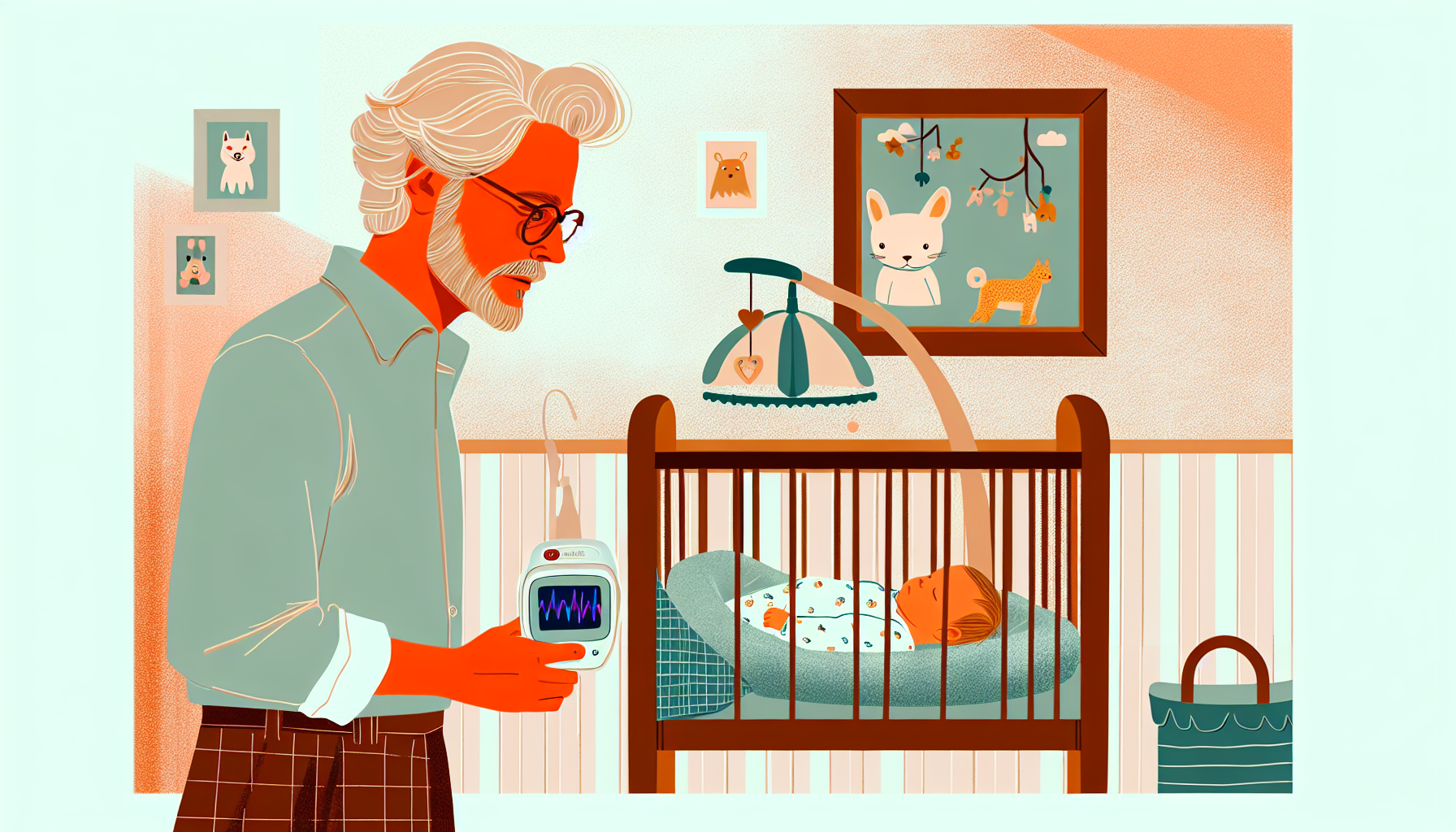
Following the immediate crisis, the focus shifts to crucial long-term management and home care. These include home monitoring with apnea monitors and educating parents and caregivers to ensure they are well equipped to manage the condition at home.
The Role of Apnea Monitors at Home
In the context of long-term management and home care, apnea monitors play a significant role. These devices measure a baby’s chest movement and breathing rate, continuously recording these rates. Neonatal intensive care unit (NICU) staff provide instructions to parents and caregivers on how to operate the apnea monitor, when to utilize it, and how to appropriately respond in the event of an alarm.
Unfortunately, false alarms are a common occurrence with apnea monitors. These are alerts that occur in the absence of a true cardiorespiratory event. They can cause unnecessary stress for parents, requiring additional education to understand and manage them effectively. Modern apnea monitors have advanced capabilities beyond basic chest movement and breathing rate monitoring. They often include:
- Event recorders to save abnormal respiratory and cardiac events
- Additional features for recording pulse oximetry readings
- Nasal airflow monitoring
- Body position monitoring
Furthermore, some monitors are capable of transmitting data instantly to a physician’s office for evaluation.
Education for Parents and Caregivers
Beyond the use of apnea monitors at home, imparting education to parents and caregivers forms an essential part of long-term management. Neonatal resuscitation involves the establishment of sufficient ventilation for the infant. Parents can prepare by acquiring knowledge about providing warmth and executing the correct procedures. Understanding the primary risk factors associated with sudden infant death syndrome (SIDS) is also crucial. These include overheating, improper sleeping positions, and bed sharing. The training of caregivers in neonatal resuscitation and safe sleep behaviors plays a significant role in mitigating the risk of SIDS.
Special Considerations During Recovery
There are a few special considerations to bear in mind as the infant recovers from apnea of prematurity. One of these is the hospital’s established procedure for evaluating the absence of apnea in premature infants before their release. This involves documenting an ‘apnea-free period’. In general, the suggested apnea-free duration before discharge for premature infants is 2–10 days. However, keep in mind that premature infants often experience episodes of apnea and bradycardia following the initial series of immunizations. Hence, it’s crucial to monitor your infant’s condition closely post-immunization.
Summary
In conclusion, apnea of prematurity is a common condition in preterm infants due to their immature respiratory control. Despite the challenges it poses, numerous effective treatments, ranging from immediate interventions to long-term management strategies, exist. Education, home monitoring, and the continuous evolution of treatment options all contribute to improving outcomes for infants affected by this condition. In the past decade, there have been significant improvements in the treatment options for apnea of prematurity. There has been a transition from theophylline to mask CPAP, and the widespread adoption of caffeine citrate, which has been proven to be effective with few side effects for almost fifty years. As we continue to deepen our understanding and refine treatment approaches, we move closer to the goal of ensuring that every premature baby thrives.