Table of Contents
Premature infants require specialized care and attention due to their early arrival into the world. This guideline aims to provide comprehensive information and support to parents of premature infants, covering essential aspects such as apnoea of prematurity, retinopathy, home care, development support, handling, positioning, routines, and creating a conducive environment.

Apnoea of Prematurity
Understanding AOP: The physiological immaturity leading to breathing pauses.
Apnea of prematurity is a common condition in preterm infants, characterized by pauses in breathing that usually resolve as the infant matures. It is categorized as central, obstructive, or mixed apnea and is often triggered by underdevelopment of the central nervous system or airway obstruction.
Preterm infants have a 2- to 10-fold higher risk of mortality than term infants. Survivors often face lifelong disabilities including learning difficulties, visual and hearing problems. Essentially, nearly all pre- terms less than 28 weeks’ gestation, 85% of pre-terms born at 30 weeks’ gestation and 20% of those born at 34 weeks’ gestation develop AOP.
Therapeutic interventions for apnea in preterm infants include non-invasive methods like continuous positive airway pressure (CPAP), medications such as caffeine citrate and aminophylline, and supportive measures like proper positioning and gentle skin stimulation.
Recognizing signs of apnea of prematurity
Key signs and symptoms of apnoea of prematurity:
- Pauses in Breathing: Episodes where the infant stops breathing for 20 seconds or shorter.
- Color Changes: Look for cyanosis (a bluish tint around the lips, hands, or feet), which indicates low oxygen levels.
- Bradycardia: A notable drop in heart rate (below 100 beats per minute), often detected by an apnea monitor.
- Irregular Breathing Patterns: Check and document breathing patterns like sporadic breathing with periods of rapid breathing followed by pauses.
- Limpness or Reduced Muscle Tone: Signs that the infant may not be getting enough oxygen, leading to decreased activity or floppiness.
Use apnea monitors at home as prescribed by your healthcare provider to alert you of any significant pauses in breathing. Regularly check your baby’s breathing patterns, skin color, and activity levels, especially during sleep and feeding times.
Learning CPR
Please consider learning cardiopulmonary resuscitation (CPR) for infants. CPR training equips parents with the skills and confidence to handle emergencies effectively. Knowing CPR allows you to provide immediate and potentially life-saving assistance if your baby experiences a severe apneic episode and stops breathing. Many hospitals, community centers, and organizations like the Red Cross offer infant CPR classes. These classes provide hands-on training and practice. Videos and tutorials from reputable sources can be valuable supplements to hands-on training. The American Heart Association and Red Cross offer online courses.
Basic Steps of Infant CPR:
- Check Responsiveness: Gently tap the baby and shout to see if there is any response.
- Call for Help: If the baby is unresponsive, call emergency services immediately.
- Open the Airway: Place the baby on their back on a firm surface. Gently tilt the head back and lift the chin to open the airway.
- Check for Breathing: Look, listen, and feel for breathing for no more than 10 seconds.
- Give Rescue Breaths: If the baby is not breathing, cover their mouth and nose with your mouth and give two gentle breaths, each lasting about one second. Watch for chest rise.
- Chest Compressions: Use two fingers to press down in the center of the chest just below the nipple line. Give 30 compressions at a depth of about 1.5 inches (3.8 cm), at a rate of 100-120 compressions per minute.
- Repeat: Continue cycles of 30 compressions and 2 breaths until help arrives or the baby starts to breathe.
Ensuring regular follow-ups with healthcare providers
Premature infants require frequent visits to their pediatrician or neonatologist to monitor their growth, development, and overall health. However, please make sure that you do not miss any routine appointments. Depending on your baby’s specific needs, referrals to specialists such as cardiologists, pulmonologists, or neurologists might be necessary for more detailed assessments and care.
What to Expect During Follow-ups?
- Growth and Development Assessments: Regular measurement of weight, length, and head circumference to track growth.
- Developmental Screening: Evaluations to track developmental milestones and identify any delays or concerns. This may include motor skills, cognitive development, and sensory responses.
- Health Monitoring: Regular checks for respiratory health, including signs of apnea, infections, and other complications.
How Can We as Parents Keep up Involvement?
- Keeping a Log: Maintain a detailed record of your baby’s breathing patterns, feeding schedules, and any unusual symptoms or behaviors. This information is crucial for discussions during medical appointments.
- Asking Questions: Prepare questions and concerns to discuss with your healthcare provider. Understanding your baby’s condition and care plan is essential for effective management.
- Following Recommendations: Adhere to medical advice, including the use of prescribed medications, home monitoring devices, and recommended practices for feeding, sleeping, and handling.
Regular check-ups allow for early identification and treatment of health issues, improving long-term outcomes.
Retinopathy of Prematurity
Retinopathy of Prematurity (ROP) is serious eye condition that occurs in premature babies, leading to abnormal blood vessel development in the retina. This can cause the retina to detach, leading to severe vision problems or even blindness. ROP should be recognised through early and regular eye examinations. Premature babies who fulfil certain criteria in terms of birth weight or gestational age must undergo a complete eye examination between 20 and 30 days after birth. Close collaboration with ophthalmologists and paediatricians is therefore essential.
The following recommendations are based on the National Guidelines for the Screening and Management of Retinopathy of Prematurity issued by the Ministry of Health of the Republic of Kenya.
What are the screening recommendations for ROP detection?
- Who Should be Screened?
Infants at risk for ROP are typically those born at less than 32 weeks gestation or with a birth weight under 1501 grams. Additional infants between 31-34 weeks gestation or 1500-2000 grams with an unstable medical course may also be considered high-risk and screened. - Timing of First Screening
ROP is not present at birth; screening timing based on postmenstrual age rather than postnatal age. - The Screening Examination
ROP examinations are performed by an ophthalmologist experienced in examining preterm infants using a binocular indirect ophthalmoscope (BIO). Eyelid speculums and scleral indentors may be used to facilitate a more comprehensive retinal examination. This allows the examiner to get a better view and assess the entire retina. However, proper disinfection protocols must be followed when reusing these instruments to prevent infection transmission. - After the Examination
After the examination the medical staff should make ophthalmological notes, including retinal findings and recommendations for follow-up. Timely follow-up examinations are essential to detect any progression of ROP that may require treatment. Treatment recommendations, adverse effects and incidental findings should be documented in the little patient’s file. The timing of follow-up examinations during the NICU stay is recommended by the examining ophthalmologist, based on the infant’s retinal findings.
Early and regular eye exams, following specific criteria based on birth weight and gestational age, are crucial in detecting and managing Retinopathy of Prematurity (ROP). These screenings, coupled with meticulous care practices, can significantly impact the outcomes for your preterm infant at risk of ROP.
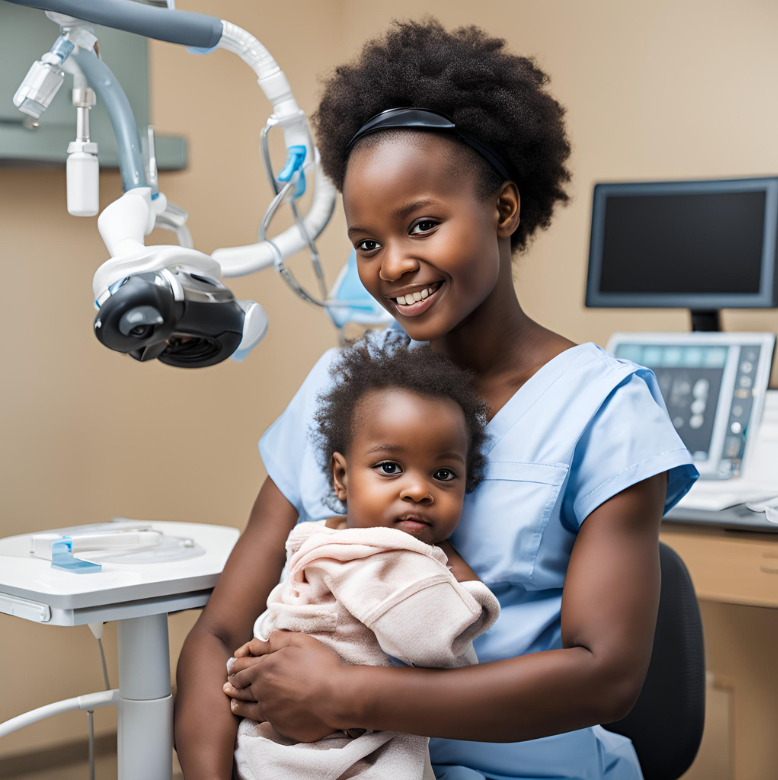
To help your premature infant, consider the following important points to understand retinopathy of prematurity:
- Continue providing daily care for your baby.
- Encourage kangaroo care, which benefits both the baby and you as a parent or caregiver.
- Ask your paediatrician or collaborating ophthalmologist all your questions about ROP and its impact on visual function.
- Consult the pediatrician regarding the need for ROP screening.
- Inquire about screening results and the necessity of urgent treatment if required.
- Ask your ophthalmologist about the treatment options, risks associated with the treatment and potential outcomes.
- Ask the doctor for a clear schedule for follow-up visits and care after treatment.
What treatment options are there for ROP?
ROP can be effectively treated with cryotherapy, laser retinal ablative surgery, or intravitreal anti-VEGF injections when diagnosed early. Cryotherapy and laser have been traditional treatments with known safety profiles and that may not be available in all facilities. Anti-VEGF treatment is a more recent advancement and may be more feasible in most facilities with a newborn unit. Treatment decisions should be made based on the stage of ROP and can involve laser treatment or intravitreal injections. These techniques should be performed by ophthalmologists in a safe environment, either in the neonatal unit or in an operating theatre.
Is the treatment safe for my baby?
While the effectiveness of anti-VEGF treatment has been demonstrated, the safety of these drugs in preterm babies still needs monitoring. Treatment decisions should consider the safety and potential risks associated with each treatment option. Please ask your ophthalmologist for a proper counseling to ensure informed consent and understanding of the procedures.
Home Care of My Preterm Baby
Transitioning home from the NICU can be daunting. Before your baby leaves the NICU, the healthcare team will help you learn how to care for your baby at home. This may include keeping your baby at a comfortable temperature, sleeping, washing, feeding, preventing infection, recognising and dealing with illness and breathing support. Maintaining a clean, safe, and temperature-controlled environment at home is crucial for the health and development of a preterm infant. Strict infection control measures and close coordination with the healthcare team are essential. If you need support, this is available to you. Proper preparation and knowledge are essential for ensuring the safety and well-being of a preterm infant at home.

Preparing the home: How to create a safe and sterile environment
You can follow the checklist to prevent infections that could jeopardise your vulnerable baby’s health:
- Wash your hands before touching a baby: Ensure proper hand hygiene by washing hands frequently with soap and water or using an alcohol-based hand sanitizer. This is crucial to prevent the spread of infections.
- Limit visitors and keep the baby away from crowded areas to reduce exposure to illnesses.
- Clean and disinfect surfaces, equipment, and any items that come into contact with the baby. Use sterile techniques when handling the baby, feeding equipment, and medications.
- Properly dispose of any waste or contaminated materials.

Feeding and meds
Follow the healthcare team’s instructions carefully when administering any medications or feeding the baby through a feeding tube. Use the proper equipment and sterile techniques. Flush feeding tubes with the recommended amount of warm water to prevent blockages. Protect the feeding tube or gastrostomy button to prevent the baby from pulling on it.
Are there special feeding techniques and schedules to meet nutritional needs of my preterm born baby?
Preterm newborns, particularly those who have experienced growth restriction in utero, have lower nutritional reserves at birth than term infants. Preterm newborns have physiological and metabolic challenges that might impact their dietary demands, including respiratory distress and infection.
Breastfeeding is the gold standard, but preterm infants may need supplemental feeding methods like bottle feeding, cup feeding and finger feeding.
The choice of feeding method should be based on the infant’s gestational age, weight, feeding readiness, and the mother’s desire to breastfeed. Bottle feeding can promote more mature sucking patterns, while cup and finger feeding may facilitate the development of oral-motor skills. Careful monitoring and a stepwise approach are needed as your baby learns to coordinate sucking, swallowing, and breathing.
Preterm infants typically require more frequent feedings, often every 2-3 hours, to meet their higher nutritional needs. Feedings may start at 150 mL/kg/day of expressed breastmilk or formula, and be increased to 180-200 mL/kg/day as tolerated. Infants under 34 weeks or under 1500g often need breastmilk fortifiers to ensure adequate protein and calorie intake for optimal growth. Feeding volumes and schedules should be individualized based on the infant’s weight gain, tolerance, and developmental stage.
How can I keep the baby’s environment at a stable temperature?
- Maintain the baby’s room temperature between 16-20°C (61-68°F) to prevent overheating or hypothermia. Use layers of clothing and blankets to keep the baby comfortable. Your baby’s body temperature should be between 36.6°C and 37.2°C (97,8°F and 98,9°F).
- Avoid using hats indoors as they can cause overheating.
- Monitor the baby’s temperature regularly and contact the healthcare team if it is very high or low.

Supporting a Premature Baby’s Development
Premature infants may experience developmental delays compared to full-term babies. Early intervention and supportive measures can enhance their development. However, with the right support and interventions, premature babies can thrive and meet their developmental milestones.
Adjust Milestones for Prematurity
When tracking a premature baby’s development, it’s important to use their “corrected age” rather than their actual age. The corrected age accounts for the weeks or months they were born early. For example, if a baby was born 4 weeks early, their corrected age would be 4 weeks less than their actual age. Using the corrected age provides a more accurate assessment of the baby’s development.
Encourage Sensory Stimulation
Premature infants may be overly sensitive to stimuli like light, sound, and touch. Provide a calm, soothing environment with dim lighting and minimal noise. Gently introduce sensory experiences like soft music, gentle massage, and skin-to-skin contact to help the baby’s brain and nervous system develop.
Facilitate Tummy Time
Tummy time is crucial for building a premature baby’s neck, shoulder, and arm strength. Start with short periods of tummy time, gradually increasing the duration as the baby becomes more comfortable.
Utilize Developmental Therapies
Occupational, physical, and speech therapies can greatly benefit premature infants. These therapies help address delays in motor skills, feeding, and communication development.
Promote Bonding and Attachment
Encourage skin-to-skin contact, also known as kangaroo care, to foster bonding and attachment between the premature baby and their parents. This close physical contact can improve the baby’s sleep, breathing, and weight gain.
Monitor Growth and Development
Regularly monitor the premature baby’s growth and development using their corrected age. This allows healthcare providers to identify any delays or issues early and provide appropriate interventions.
Offer Emotional Support
Having a premature baby can be stressful for parents. Seek out emotional support, such as counseling or support groups, to help you and your family cope with the challenges of caring for a premature infant.
By implementing these supportive measures, you can help a premature baby reach their full developmental potential and thrive.
Handling a Premature Baby
Handling a preterm baby requires gentle and supportive techniques to ensure their safety and comfort. Here are some key considerations when handling a preterm infant:
Gentle Touch
Premature babies have sensitive skin and underdeveloped nervous systems. It’s important to handle them with the utmost care and gentleness. Avoid sudden movements, rough handling, or excessive stimulation, which can be distressing for the baby. Use a soft, supportive touch when picking up, holding, or changing the baby.
Minimizing Stress
Preterm infants are more susceptible to stress, which can negatively impact their development. When you feel relaxed and confident, your baby will pick up on those positive vibes. Babies are incredibly sensitive to their caregivers’ emotional states. By staying calm and projecting a sense of security, you’ll help your baby feel safe and comforted in your arms. Aim to create a calm, soothing environment by:
- Reducing noise and bright lights in the baby’s room
- Providing skin-to-skin contact (kangaroo care) to help regulate the baby’s temperature and heart rate
- Limiting the number of visitors and caregivers to minimize overstimulation
How to hold, lift, and carry a preterm infant?

It’s completely normal to feel apprehensive about handling a preterm baby for the first time. These tiny, fragile infants require extra care and support. However, with practice and guidance from our experienced neonatal team, you’ll soon feel more confident and comfortable caring for your little one. Here is how to hold, lift, and carry your baby:
- Support the baby’s head and neck at all times.
- Slide one hand under the head and neck and the other under the bottom to pick up the baby.
- Bring the baby close to your chest as you straighten your legs to lift.
- Avoid lifting by or under the arms, as this can injure the shoulders and cause the head to dangle dangerously.
- Hold the baby like a football: Use the football hold with the baby’s back on your forearms and head in the crook of your arm for a secure grip. Position the baby so that its tummy is facing you. This position is comfortable for the baby and provides a more secure way to hold your newborn, particularly when seated.
- Avoid bouncing or sudden movements which can be jarring for the baby.
- Gently sway or rock the baby in a rocking motion to soothe it.
Safety Precautions When Handling a Preterm Baby
Caring for a preterm infant requires meticulous attention to safety precautions to ensure the well-being of your delicate baby. Here are some key safety measures to keep in mind:
Hand Hygiene: Maintaining proper hand hygiene is crucial to prevent the spread of infections. Always wash your hands thoroughly with soap and water or use an alcohol-based hand sanitizer before handling your baby.
Avoiding Hot Beverages and Cooking: It’s essential to never hold hot drinks or engage in cooking activities while carrying your baby. Sudden movements or spills could lead to serious burns or scalds, putting your baby at grave risk. Always set down your baby in a safe, secure place before engaging in any potentially hazardous activities.
Secure Handling During Stair Ascent and Descent: When navigating stairs while carrying your preterm baby, ensure that you maintain a firm, secure grip at all times. Use the handrail for extra stability, and take each step cautiously. Avoid rushing or making sudden movements that could jeopardize your baby’s safety.
Preventing Unsupported Handling by Others: Children and the elderly may be eager to hold and interact with your preterm baby. However, it’s crucial to ensure that anyone handling your infant provides adequate support for baby’s head and neck. Never allow unsupervised handling, as even well-intentioned individuals may inadvertently put your baby at risk through improper techniques.
Gentle Care for Soft Spots: Preterm babies have soft spots on their heads, known as fontanels, which are areas where the skull bones have not yet fused. These soft spots are delicate and require extra care when handling your baby. Avoid applying any pressure to these areas, as this could potentially cause harm. Instead, support your baby’s head gently and avoid any direct contact with the soft spots.
By prioritizing safety and following proper handling techniques, you can provide a secure and nurturing environment for your preterm baby to thrive. Remember, a gentle touch, minimized stress, and a commitment to your baby’s development are essential for promoting their overall health and well-being.
Proper Positioning for Preterm Infants
Proper positioning is crucial for a preterm baby’s respiratory health, comfort, and development. Here are some key guidelines on proper positioning techniques:
Sleeping Positions: The safest sleeping position for preterm infants is on their back (supine position). This helps reduce the risk of Sudden Infant Death Syndrome (SIDS) by keeping the baby’s airway clear and preventing suffocation. Avoid placing the baby on their stomach (prone position) for sleeping, as this can increase the risk of SIDS.
Supported Positioning: When the baby is awake, other positions can be beneficial. The side-lying or semi-upright positions can help improve respiratory function and reduce the risk of reflux and aspiration. Use rolled blankets or positioning aids to gently support the baby’s head, neck, and body in these positions.

Prone Positioning: The prone (stomach) position can be helpful for preterm infants when they are awake and under supervision. Prone positioning can improve oxygenation, respiratory mechanics, and gastric function. However, this position should be avoided for sleeping to reduce SIDS risk.
Kangaroo Care: Skin-to-skin contact, also known as kangaroo care, is highly recommended for preterm infants. This involves holding the baby upright against the parent’s bare chest. Kangaroo care helps regulate the baby’s temperature, heart rate, and breathing, while also promoting bonding and development.
By following these positioning guidelines, you can help support your preterm infant’s respiratory health, comfort, and overall development. Consult with your neonatal care team for personalized recommendations based on your baby’s specific needs.
Establishing Routines
Establishing consistent routines is crucial for the well-being and development of preterm infants. By creating predictable patterns and schedules, you can help provide a sense of security and stability for your baby, which is essential for their healthy growth and development.
Consistent Feeding Schedules: Preterm babies often have difficulty with feeding, as they may struggle with sucking, swallowing, and coordinating their intake. Establishing a consistent feeding routine can help your baby’s body adapt and regulate their hunger and satiety cues. Aim to feed your baby at regular intervals, whether through breastfeeding, bottle-feeding, or a combination of both. This regularity can help improve your baby’s feeding skills and ensure they receive the necessary nutrition for their development.
Predictable Sleeping Patterns: Preterm infants often have irregular sleep-wake cycles, which can be challenging for both the baby and the caregivers. By creating a consistent sleep routine, you can help your baby’s body adjust to a more predictable sleep-wake pattern. This may involve establishing a calming bedtime routine, such as dimming the lights, providing gentle rocking or soothing sounds, and placing your baby in their crib or bassinet at the same time each night. Consistency in sleep schedules can help your preterm infant feel more secure and promote better-quality sleep.

Structured Caregiving Activities: In addition to feeding and sleeping routines, it’s important to establish a consistent schedule for other caregiving activities, such as diaper changes, bathing, and tummy time. By following a predictable sequence of events, your preterm baby will learn to anticipate and feel more comfortable with these daily tasks. This can help reduce stress and promote a sense of security for your little one.

Flexibility and Adaptability: While consistency is essential, it’s important to remain flexible and adaptable to your preterm infant’s changing needs. Babies’ schedules and preferences may evolve over time, and it’s crucial to be responsive to these changes. Regularly communicate with your neonatal care team to ensure your routines are meeting your baby’s unique requirements and supporting their optimal development. By establishing consistent routines, you can provide your preterm infant with a sense of security and stability, which can significantly contribute to their overall well-being and healthy growth. Remember, a predictable schedule can help your baby feel safe, secure, and better equipped to thrive during this critical developmental period.

Psychological Support for Parents of Preterm Infants
Caring for a preterm infant can be an incredibly stressful and emotionally challenging experience. It is important that they receive the necessary psychological support to cope with this difficult situation.
Addressing Emotional Needs: Parents of preterm babies often experience a range of intense emotions, including anxiety, depression, and symptoms of post-traumatic stress. Providing empathetic emotional support from the neonatal care team is essential. This can include:
- Allowing parents to openly express their feelings without judgment
- Connecting them with support groups or counseling services
- Helping them develop coping strategies for managing stress and uncertainty
Importance of Peer Support: Connecting parents with other families going through similar experiences can be tremendously beneficial. Peer support groups, both in-person and online, allow parents to share their struggles, learn from each other, and feel less isolated.
Building Trust in the Care Team: Parents need to feel they can trust the healthcare providers caring for their infant. Clear, consistent communication and transparency from the neonatal team are key to establishing this trust. Addressing any concerns or questions promptly can help parents feel more confident in the care their baby is receiving.
Balancing Family Responsibilities: The demands of caring for a preterm infant while also managing other family responsibilities can be overwhelming for parents. Providing practical support, such as assistance with childcare or household tasks, can help alleviate some of this burden and allow parents to focus on bonding with their baby.
Promoting Parental Involvement: Encouraging parents to actively participate in their infant’s care, such as through skin-to-skin contact (kangaroo care) and feeding, can empower them and foster a stronger parent-child bond. The neonatal team should work closely with parents to develop a care plan that meets their needs and preferences.
By addressing the psychological needs of parents with preterm infants, the neonatal care team can help support the entire family during this challenging time. Providing emotional support, building trust, and promoting parental involvement are all crucial elements in ensuring the best possible outcomes for both the baby and the parents.
“It is the nature of babies to be in bliss.” – Deepak Chopra
Caring for a premature infant requires a comprehensive understanding of their unique needs and challenges. Babies, including preterm infants, are indeed primed to experience the world through their senses. Exposure to nature provides a rich sensory environment that can promote development and well-being. Gentle touch, soothing sounds, and visual stimuli from the natural world can help preterm babies feel calm and content. In conclusion, while the “bliss” of infancy may be more elusive for preterm babies and their families, providing a nurturing environment, psychosocial support, and evidence-based care can help promote the best possible outcomes for these vulnerable infants.
This guide is designed to be practical and informative, empowering parents with the knowledge and skills needed to care for their premature infants. By following these structured approaches, parents can ensure a nurturing and supportive environment for their baby’s growth and development. All the best wishes for the young family!