
Pain makes life hell - but there are ways out
Fortunately, modern pain medicine today knows many means and ways to alleviate acute and chronic pain. There are various classes of active substances and preparations for mild to severe pain.
Table of Contents
Pain Management: Effective Strategies and Techniques
Pain is omnipresent. It is a part of our lives, and no one is ever spared from it. Pain can be acute, become chronic, or appear intermittently in a mixed form. In addition, a technical distinction is made between nociceptive, neuropathic, and nociplastic pain based on the mechanism. Pain acts as a warning that there is an issue within your body. It is typically associated with actual or potential tissue damage but can also arise in the absence of any detectable stimulus, damage, or disease. Pain signals travel from the peripheral areas to the spinal cord and are then processed in the brain. In this section, we delve into the different types and causes of pain and present effective strategies for pain relief and management.
Key Takeaways
- Understanding the different types of pain—acute, chronic, nociceptive, neuropathic, and nociplastic—is crucial in determining effective pain management strategies.
- Effective pain management often requires a multi-faceted approach, including medication, physical therapy, and psychological interventions, along with alternative treatments like acupuncture and herbal remedies.
- Seeking medical attention is essential when experiencing severe, persistent, or unexplained pain, as it may indicate serious underlying health issues requiring professional evaluation.
Understanding Pain
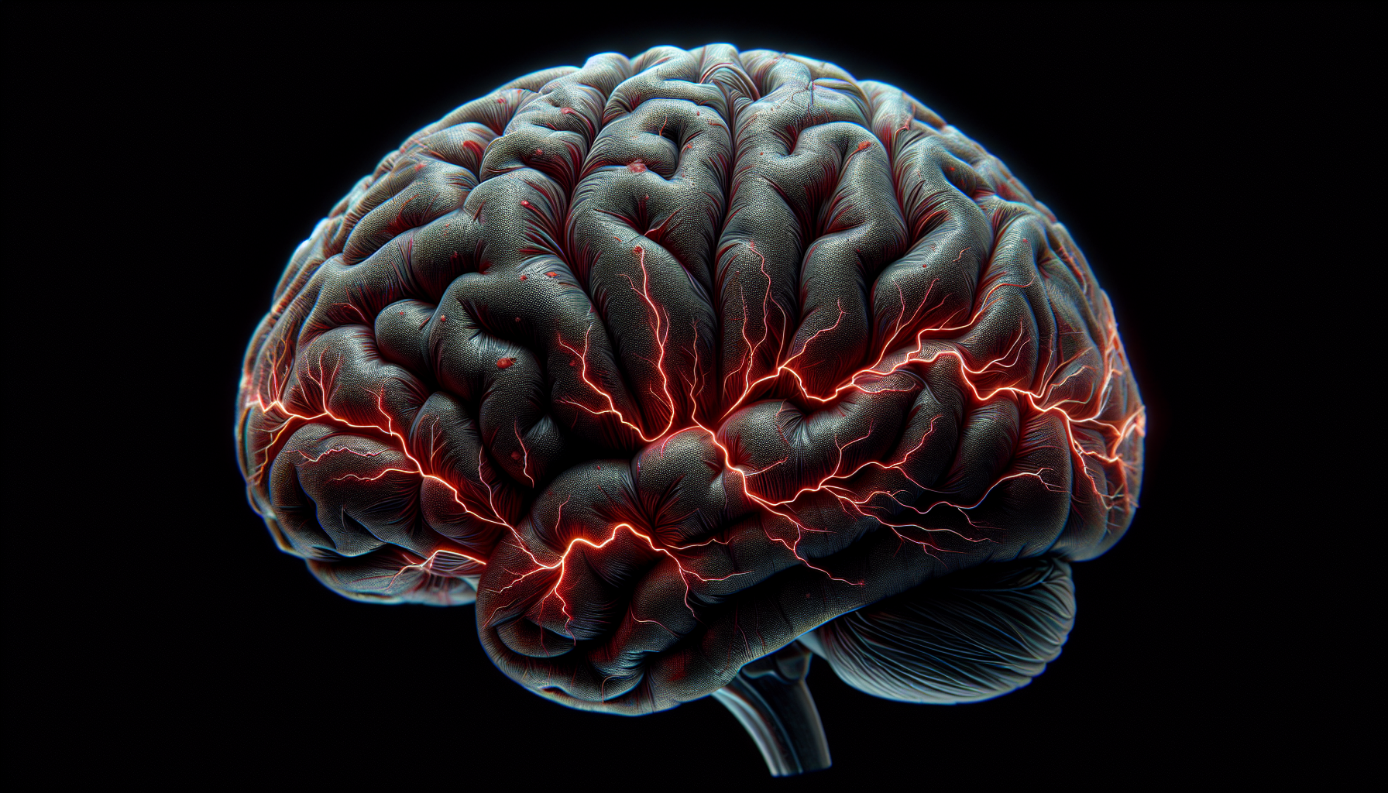
Pain is a distressing feeling often caused by intense or damaging stimuli. The International Association for the Study of Pain (IASP) defines pain as “an unpleasant sensory and emotional experience associated with, or resembling that associated with, actual or potential tissue damage”. This definition emphasizes that pain is a subjective experience influenced by biological, psychological, and social factors.
Think of it as the body’s alert system, with pain receptors constantly monitoring and sending signals through nerve pathways to warn us of potential threats. It plays a vital role in aiding our recovery and encouraging us to seek help when necessary.
Yet, pain’s reach extends beyond the physical, infiltrating our cognitive and emotional spheres, disrupting focus, distorting memories, and sometimes casting a shadow over our mental well-being.
Types of Pain
Acute Pain

Acute pain is like a sudden flash—an intense and sharp sensation that alerts us to harm. It’s the pain that follows a cut or a sprained ankle, serving as a distress signal that something is wrong. Often tied to identifiable causes such as injuries or surgeries, it typically recedes as the underlying issue heals.
Although they can be very severe and sometimes overwhelming, in most cases, the acute pain only lasts a few days to weeks.
Chronic Pain
In contrast, chronic pain is a persistent whisper or sometimes a relentless roar that can last for months or years. Unlike acute pain, it may not stem from a clear injury or resolve after healing. Both acute and chronic pain can arise from conditions like:
- arthritis
- fibromyalgia
- nerve damage
- migraines
- back pain
Chronic pain can vary from mild discomfort to severe agony, with some instances making the pain worse, profoundly impacting daily life, and often eluding a complete cure. This type of pain can lead to significant emotional and psychological distress, contributing to conditions such as depression and anxiety. Individuals suffering from chronic pain may find their social lives, work capabilities, and overall quality of life severely affected. As a result, chronic pain management often requires a comprehensive (multimodal) approach that includes not only medical treatments but also psychological support, physical therapy, and lifestyle modifications. These strategies aim to relieve chronic pain by addressing both the physical and mental health aspects of the condition. Advanced pain management techniques, such as nerve blocks, spinal cord stimulation, and biofeedback, are sometimes employed to help patients find relief and regain control over their lives.
Nociceptive Pain
Nociceptive pain is what we typically think of when we imagine pain from physical injury—it’s the result of activated pain receptors due to tissue damage. These nociceptors send signals through nerve fibers that relay distress messages to our brain, which we perceive as pain. It can be further divided into somatic pain, which is sharp and localized, or visceral pain, which is more nebulous and can be harder to pinpoint.
Somatic pain, often resulting from injuries like cuts, bruises, or fractures, is usually easier to diagnose and treat due to its clear and localized nature. This type of pain is generally managed with over-the-counter pain relievers, rest, and sometimes physical therapy to aid recovery.
Visceral pain, on the other hand, originates from internal organs such as the stomach, intestines, or pelvis. It is often described as a deep, squeezing, or aching sensation and can be more challenging to identify and manage. Visceral pain may require more comprehensive diagnostic tools, like imaging studies and blood tests, to determine the underlying cause. Treatment involves addressing the specific condition causing the pain, such as infections, inflammations, or other disorders and may include medications, lifestyle changes, or surgical interventions.
Neuropathic Pain

Neuropathic pain, also known as nerve pain, arises not from external injuries but from the nervous system itself—due to damage or a malfunction, such as in the spinal cord. This type of pain is often chronic, manifesting as burning, tingling, or electric shock-like sensations.
Examples include the excruciating neuropathy associated with diabetes or the phantom limb pain experienced by amputees. Neuropathic pain can also result from conditions such as multiple sclerosis, shingles (postherpetic neuralgia), and certain types of chemotherapy. The pain is often difficult to treat and may require a combination of medications, including anticonvulsants, antidepressants, and topical treatments. Additionally, nerve blocks or spinal cord stimulation may be considered for more severe cases. Lifestyle changes, physical therapy, and psychological support are also integral parts of managing neuropathic pain, aiming to improve quality of life and reduce the intensity and frequency of pain episodes.
Nociplastic Pain
Nociplastic pain is a relatively new concept in the field of pain management. It refers to pain that arises from altered nociception, despite no clear evidence of actual or threatened tissue damage or any disease or lesion of the somatosensory system causing the pain. The somatosensory system is a complex network of neural structures in the brain and body that produce the perception of touch, temperature, body position, and pain. Essentially, this type of pain doesn’t fit neatly into the categories of nociceptive or neuropathic pain.
Nociplastic pain is often associated with conditions like fibromyalgia, irritable bowel syndrome (IBS), and some forms of chronic lower back pain. Patients with nociplastic pain may experience widespread pain, sensitivity to touch, and other symptoms that don’t have a clear anatomical or pathological basis.
Managing nociplastic pain often requires a multi-disciplinary approach. Medications such as antidepressants and anticonvulsants can help modulate pain signals. Physical therapy, psychological interventions like cognitive-behavioral therapy, and lifestyle changes, including stress management and regular exercise, are also key components in treating this complex type of pain.
Causes of Pain
The causes of pain are diverse. Some common causes of pain include injuries, diseases, inflammatory responses, and infections. All of these factors can trigger pain responses within our bodies.
- Common Injuries: Accidents and falls are everyday dramas that often result in acute pain due to traumatic injuries. Such incidents can range from minor to severe, with the latter necessitating immediate emergency care to prevent further damage and manage pain.
- Medical Conditions: Chronic pain often has its roots in medical conditions that affect the body’s various systems. Some common conditions that can cause chronic pain include arthritis, which inflames the joints; cancer, which can trigger pain through tumor growth; and fibromyalgia, which is associated with widespread musculoskeletal discomfort.
- Inflammation and Infection: Inflammation and infections are the body’s response to invasion or injury, whether it’s the redness and swelling of an infected cut or the systemic effects of a bacterial illness like strep throat.
Pain Management Strategies
Managing pain effectively often calls for a multi-pronged strategy to treat pain. Various methods and treatments are used to relieve pain, including non-drug therapies and medications like acetaminophen. Medicine, physical therapy, and psychological interventions are the pillars upon which pain management stands, each with its role in alleviating discomfort.
Medication
Medications are the first line of defense for many. From over-the-counter (OTC) analgesics like acetaminophen to prescription opioids for severe pain, drugs play a central role in pain management. Acetaminophen and nonsteroidal anti-inflammatory drugs (NSAIDs) like ibuprofen, acetylsalicylic acid or diclofenac are commonly used for mild to moderate pain. These medications can be effective for conditions like toothaches, headaches, minor injuries, and menstrual cramps. They have analgesic, antipyretic, and anti-inflammatory effects.
For more severe pain, prescription medications may be necessary. Opioids, such as morphine and oxycodone, are potent pain relievers often used for acute pain following surgery or for chronic pain in conditions like cancer. However, healthcare professionals typically closely monitor their use due to the possibility of addiction and side effects.

In addition to these, other classes of medications can be used for specific types of pain. Antidepressants, such as amitriptyline, and anticonvulsants, like gabapentin, are often prescribed for neuropathic pain. Topical treatments, including lidocaine patches and capsaicin creams, can provide localized relief without the systemic effects of oral medications.
Physical Therapy
With its exercises and manual therapies, physical therapy offers a dynamic approach, especially to chronic pain reduction, helping improve mobility and functional capacity.
Psychological Approaches
The mind’s power over pain is harnessed through psychological approaches like cognitive-behavioral therapy, which works to reframe pain-related thoughts and behaviors.
Alternative Pain Treatments
Acupuncture
Acupuncture, rooted in traditional Chinese medicine, stimulates the body’s healing processes and may enhance the release of natural painkillers.

Herbal Remedies
Mind-Body Practices
Mind-body practices like mindfulness, meditation, and relaxation techniques bring a holistic approach to pain management, addressing both the mental and physical aspects of pain.
When to Seek Medical Attention

While self-care and management strategies can be effective, there are times when professional medical intervention is critical. Severe, persistent, or unexplained pain, especially when accompanied by other worrisome symptoms, should prompt a trip to the doctor’s office.
- Severe pain, particularly when it’s sudden or incapacitating, necessitates immediate medical attention. It’s a potential indicator of serious underlying issues that require prompt evaluation.
- Persistent pain that lingers despite home remedies or disrupts normal life requires a healthcare provider’s expertise to uncover any underlying causes and tailor an appropriate treatment plan.
- New or unexplained pain, particularly if it arises without a clear cause or is resistant to simple treatments, should be investigated by a healthcare professional to determine its source and prevent potential complications.
Summary
From the sharp sting of a bee sting to the relentless ache of arthritis, our journey through the world of pain reveals a complex tapestry of causes and remedies. If we understand pain in its various forms, we can treat it appropriately in the vast majority of cases and enable those affected to lead a pain-free life. Whether through modern medicine, alternative therapies, or a combination of both, we possess the tools to soften pain’s grip on our lives.
Frequently Asked Questions
What is the difference between acute and chronic pain?
Acute pain is sudden and short-term, typically resulting from injury or surgery and subsiding once the underlying cause heals, while chronic pain persists or recurs for months or years, often arising from ongoing conditions or without an obvious cause.
How does the body perceive pain?
The body perceives pain through the activation of pain receptors (nociceptors) and the transmission of signals to the brain for interpretation.
Can psychological factors affect physical pain?
Indeed, psychological factors like stress and anxiety can have a substantial impact on how we perceive physical pain, and they can also exacerbate chronic pain.
When should I seek medical attention for pain?
You should seek medical attention for pain if it is severe, persistent, unexplained, or accompanied by other symptoms like weight loss, fever, or difficulty breathing. These could be signs of a serious underlying condition.
When we look to the future, we know that there is still room for improvement in medicine. If you would like to discuss these challenges with our R&D team, we would be happy to assist you.